
Hair loss: what is normal, what is not, and what to do about it
· 4 min read
Losing an average of 50 to 100 hairs a day is normal: these are hairs at the end of their cycle, replaced by new ones. As long as this amount stays stable and your hair is not visibly thinning, there is nothing to worry about. Beyond that, or if your overall volume decreases, there is an imbalance to understand. Here is how to tell whether your hair loss is normal, its common causes and the right steps to take.
How many hairs do you lose a day?
On average, between 50 and 100. Each hair follows a cycle: it grows for several years, rests, then falls out to make way for a new hair. These shed hairs end up on your brush, your pillow or in the shower drain, especially on wash days. This is normal hair loss.
How can you tell if your hair loss is abnormal?
Three reliable clues:
- The pull test: run your hand through a section of hair, without pulling hard. If more than 5 hairs stay in your palm, shedding is active.
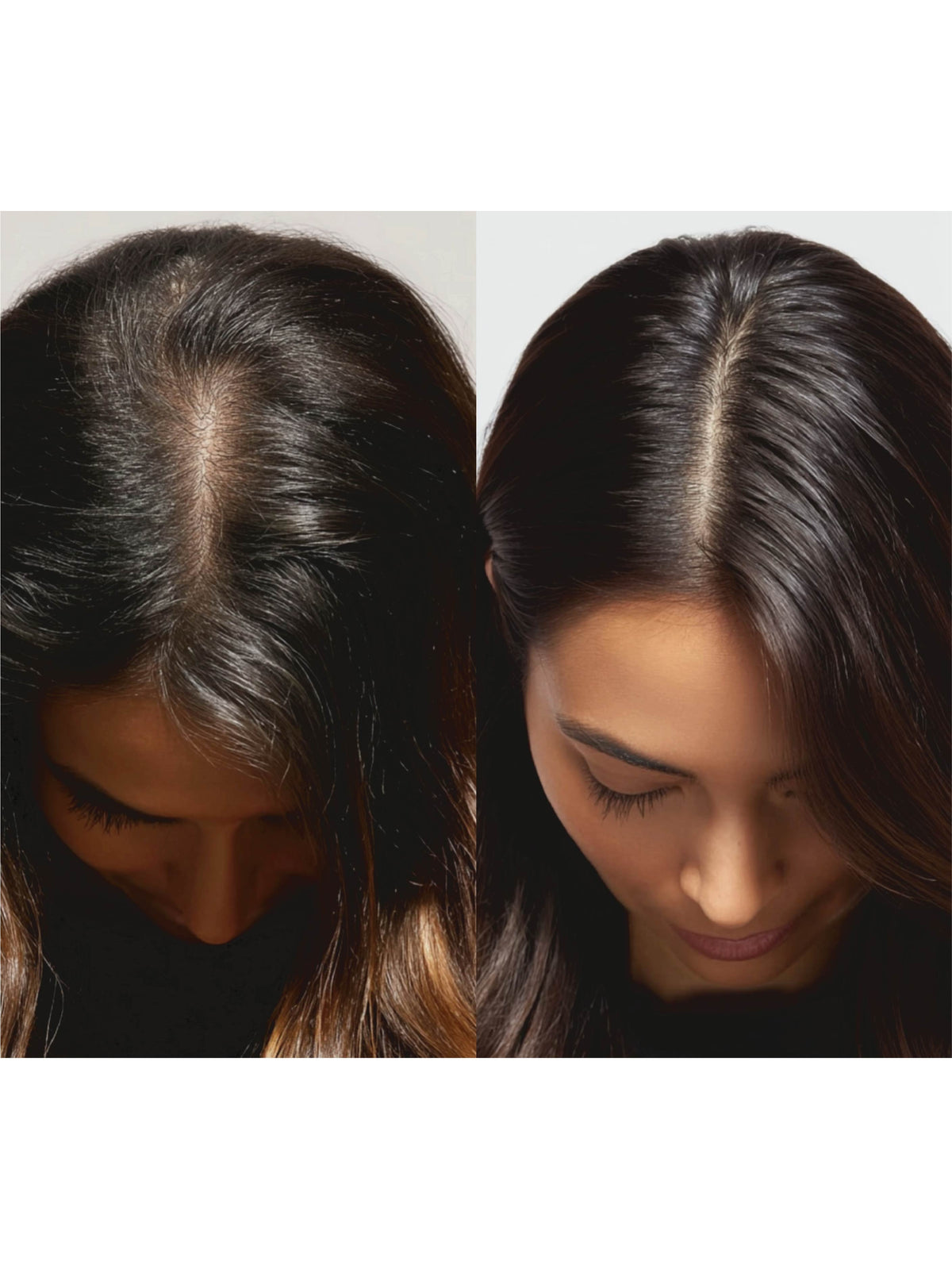
- Visible thinning: a widening parting, receding temples, a thinner ponytail than before.
- Duration: marked hair loss lasting more than 3 months deserves a consultation.
What causes temporary hair loss?
Temporary, so-called reactive, hair loss is the most common and the most reassuring kind. It occurs 2 to 4 months after a trigger:
- an emotional shock, prolonged stress, a bereavement;
- childbirth (postpartum hormonal hair loss, around the 3rd month);
- a high fever, surgery, a long course of medication;
- a restrictive diet, iron or vitamin D deficiency;
- stopping or changing hormonal contraception.
Good news: this kind of hair loss is reversible. The cycle generally resumes within 3 to 6 months, sometimes longer.
Why do we lose more hair in autumn?
Every autumn, we lose a little more hair for 4 to 8 weeks. This is physiological, linked to changes in daylight and the hair cycle. No need to worry, unless the shedding continues beyond 2 months. We cover this in detail in why do we lose more hair in autumn.
Hair loss: when to worry and see a doctor
See a dermatologist or doctor if you notice:
- marked hair loss lasting more than 3 months;
- clear thinning on the crown (androgenetic alopecia);
- hair loss in round patches (alopecia areata, an autoimmune condition that responds well to treatment);
- hair loss accompanied by irritation, scabs or itching.
A blood test (ferritin, vitamin D, thyroid hormones) can often quickly identify an underlying cause.
What can you do about hair loss?
No shampoo makes hair grow back: beware of miracle promises. However, several habits improve the environment of the follicle:
- Massage your scalp for 2 minutes a day to stimulate microcirculation.
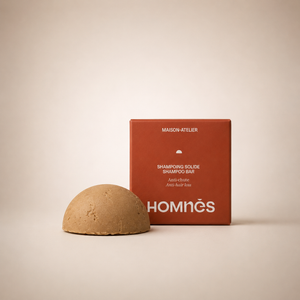
- Adopt a gentle routine, without sulfates or occlusive silicones. Our anti-hair loss solid shampoo, with amla, castor oil and argan, nourishes the scalp and strengthens the roots.
- Check your ferritin: iron deficiency is one of the most common causes of hair loss in women.
- Take targeted supplements (zinc, biotin, omega 3) for at least 3 months, only if a deficiency is confirmed and after medical advice.
To better understand what happens at the root, also read our article on the scalp.
Frequently asked questions
Is it normal to lose a lot of hair in the shower?
Yes, to some extent: hairs that have already detached fall out when you wash and detangle. What should alert you is a clear and lasting increase, or visible thinning.
Is hair loss after childbirth permanent?
No. Postpartum hair loss is reactive: it appears around the 3rd month and the cycle generally resumes within a few months.
How do I know what my profile is?
Our online hair diagnosis helps you identify your hair loss profile and the most suitable routine. You can also come in for a free scalp diagnosis at the atelier, in the Marais.